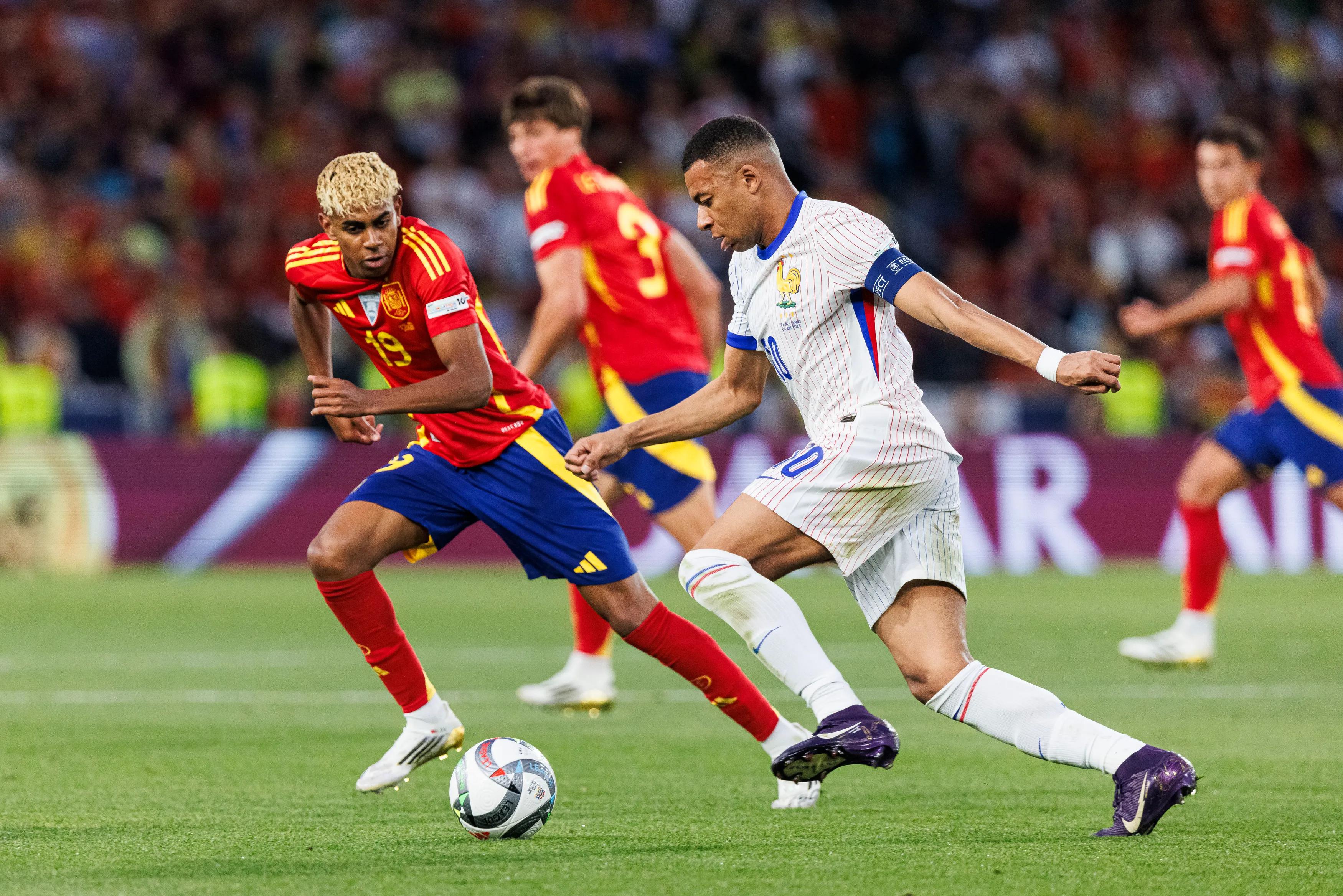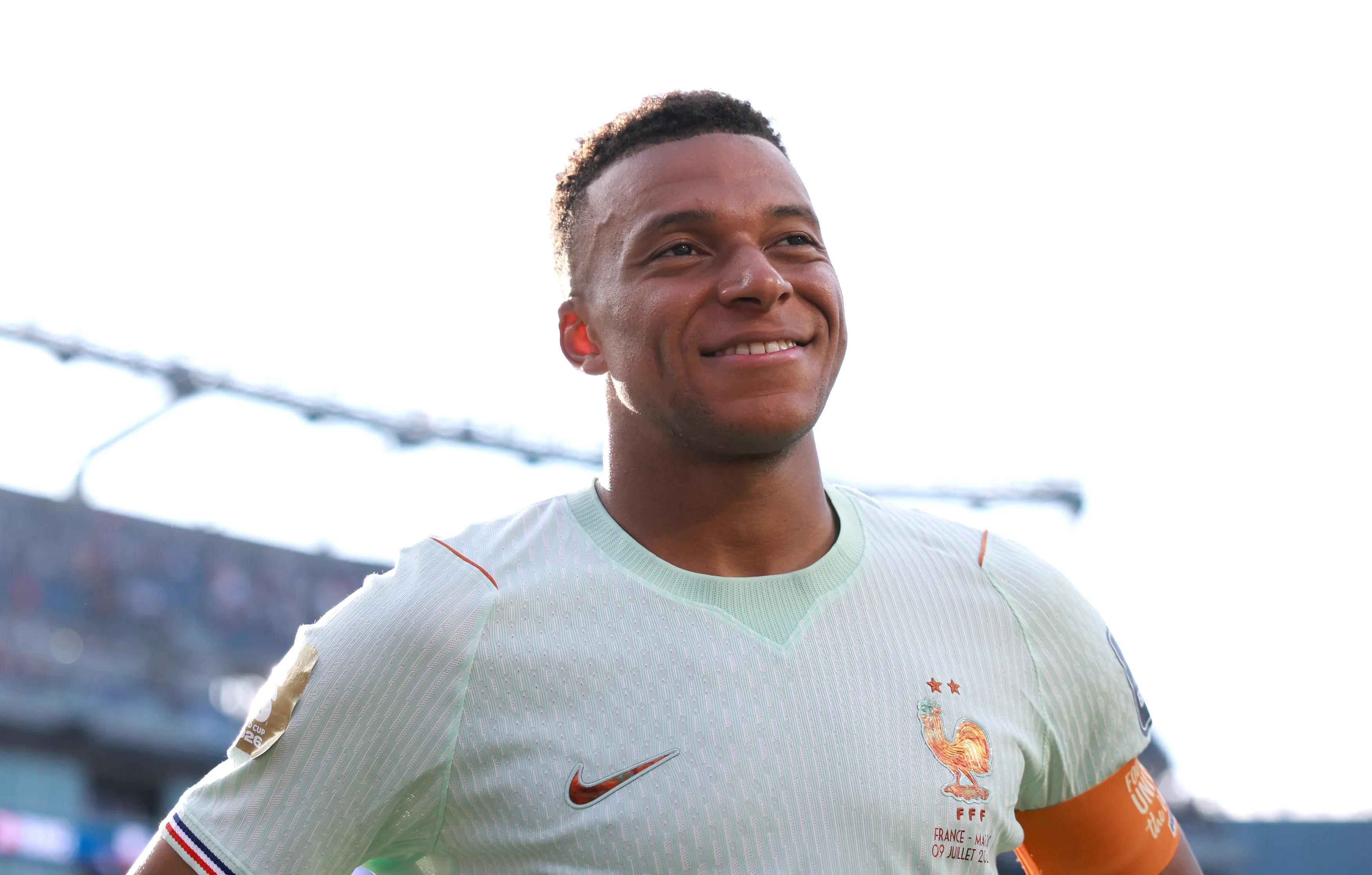
Two players, eight goals each, one prize: the Golden Boot race between Kylian Mbappe and Lionel Messi has become the most intoxicating subplot of the 2026 World Cup. Mbappe's strikes carry the unmistakable signature of velocity: the shot that moves too quickly for the goalkeeper's hands, the run that covers ground too rapidly for the defender's recovery, the movement that creates space where none existed a fraction of a second earlier. Consider Against the run of play, his finish was the kind of goal that transforms matches and redefines tournaments — the near-post finish drilled with the accuracy of a laser, the goalkeeper beaten at his near post by a shot that moved too quickly for human reaction.
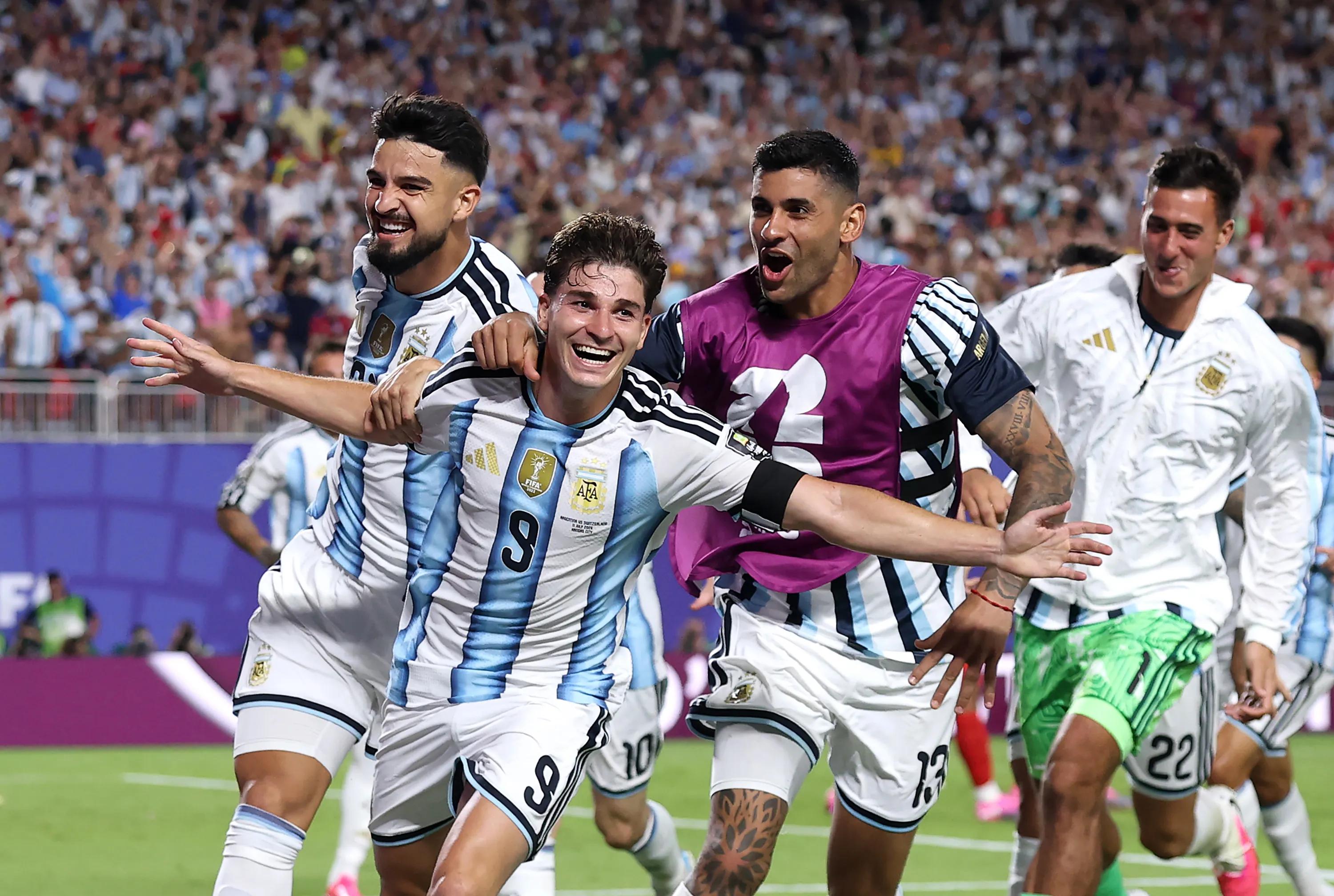
Messi's goals are constructed from a different material — not the raw energy of Mbappe's strikes but the refined intelligence of a player who sees the game in dimensions that his contemporaries cannot access. Consider Against Denmark, his hat-trick was a demonstration of finishing versatility that no defence could contain — the subtle dink over the committed keeper that mocked the very concept of urgency, the ball lofted with just enough height to clear the gloves and just enough pace to cross the line.
The stakes could not be higher, and the margin for error could not be thinner. A single goal in the semi-final could separate the two players for good; a goalless performance could hand the initiative to the other. And lurking behind the individual race is the ultimate question: does the Golden Boot winner also lift the World Cup? History suggests that individual and team success are not always correlated, but the 2026 tournament has defied historical patterns from its opening whistle. The next seven days will determine whether that defiance extends to its most celebrated individuals, or whether the weight of history reasserts itself at the moment of maximum pressure.