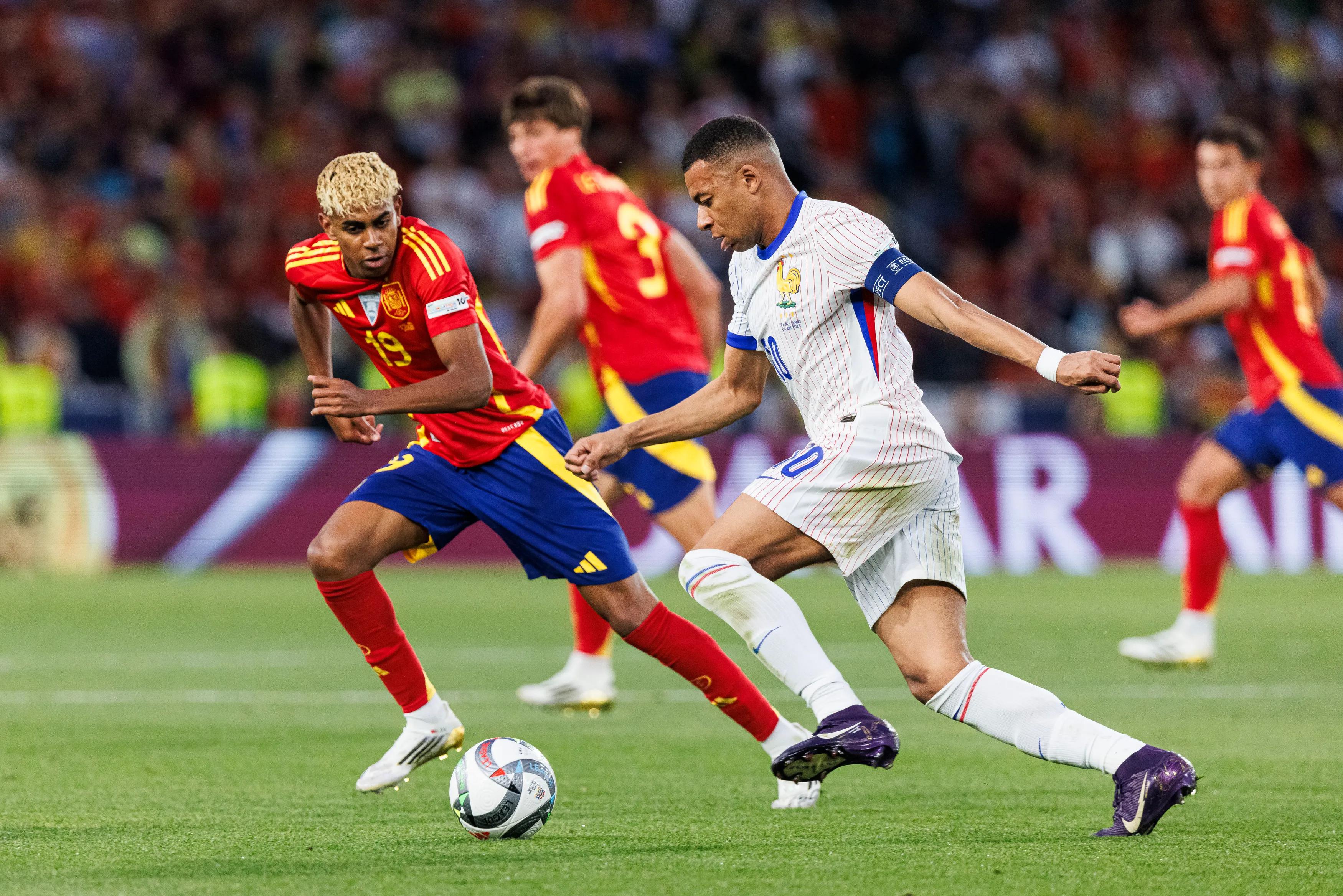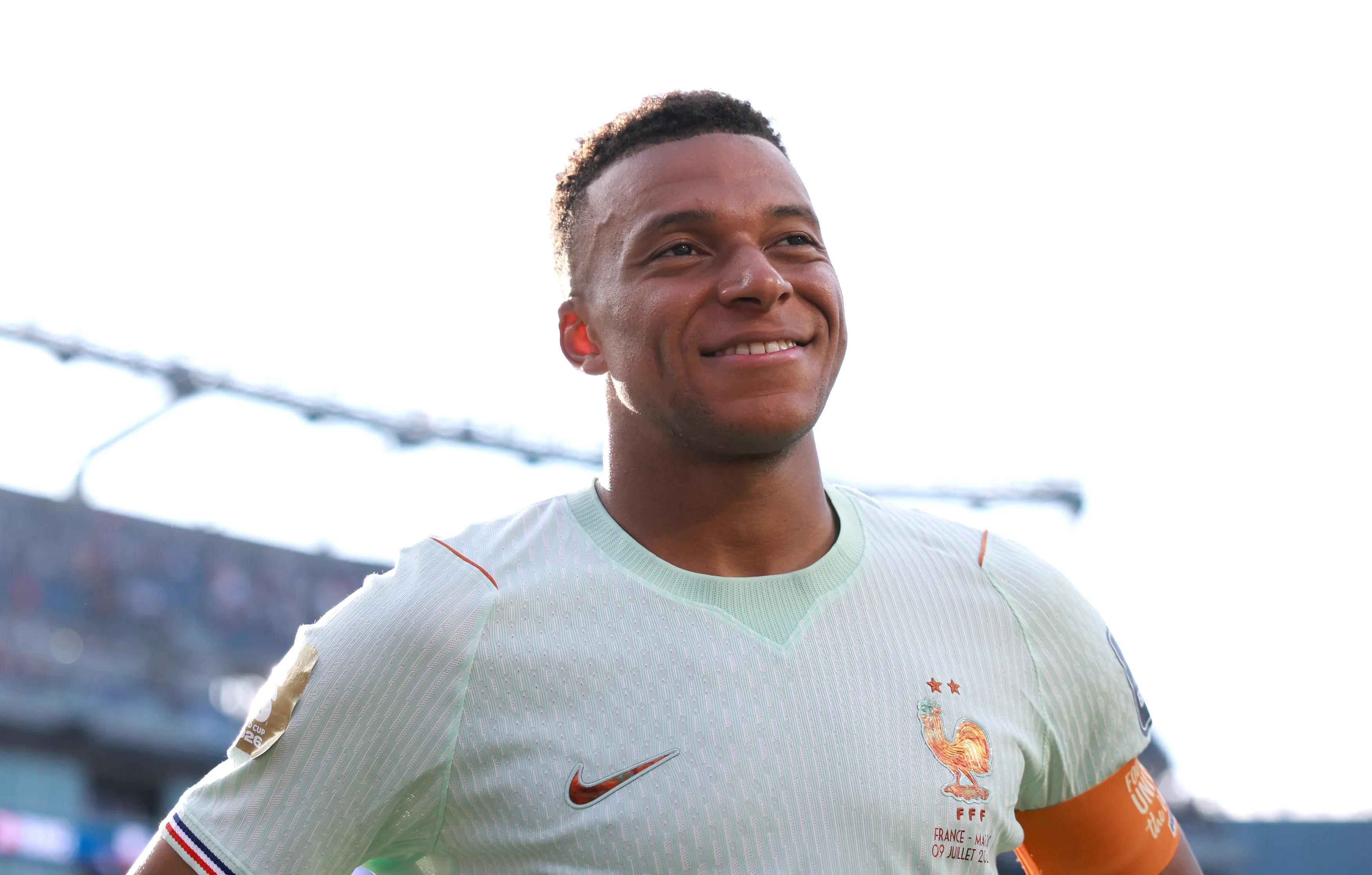
Eight goals each for Kylian Mbappe and Lionel Messi has transformed the Golden Boot from a statistical curiosity into the tournament's most emotionally charged subplot. The symmetry is almost mathematical in its precision: two players, two styles, two nations, two semi-final opponents, and one prize that neither has yet been able to claim outright. Mbappe's goals have been delivered with the industrial output of a player who treats scoring as a professional obligation rather than an artistic statement. His finishes are fast, direct, and devastatingly efficient — the kind of goals that coaches diagram on whiteboards and defenders have nightmares about. Against Australia, his long-range strike was a demonstration of raw power that bent the ball's trajectory through will alone, the shot departing his boot with such force that the goalkeeper's attempt to save it was reduced to a symbolic gesture. Against Denmark, his acceleration past the defensive line was so sudden that it seemed to defy the laws of inertia, each stride covering ground that his markers could only watch recede into the distance.
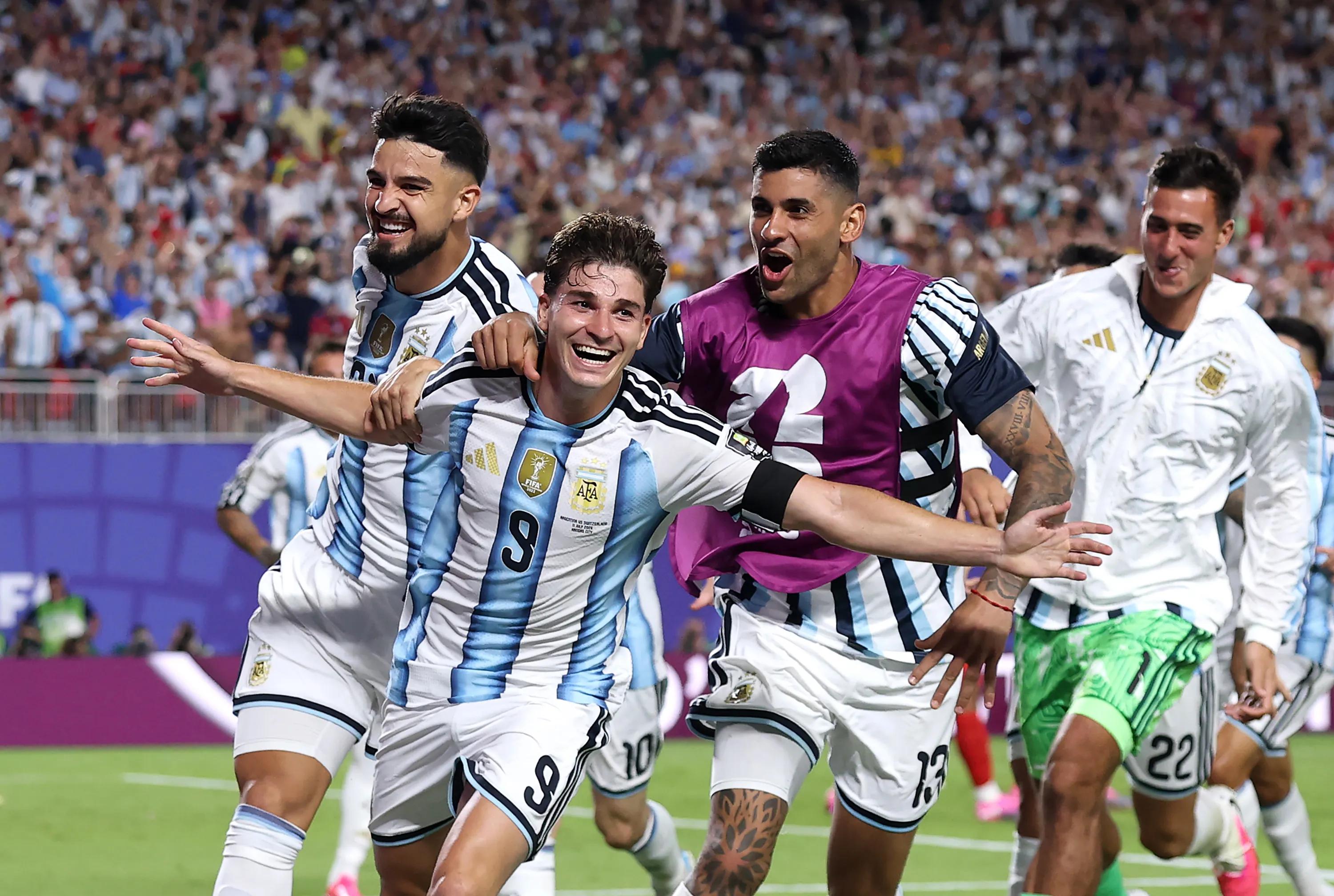
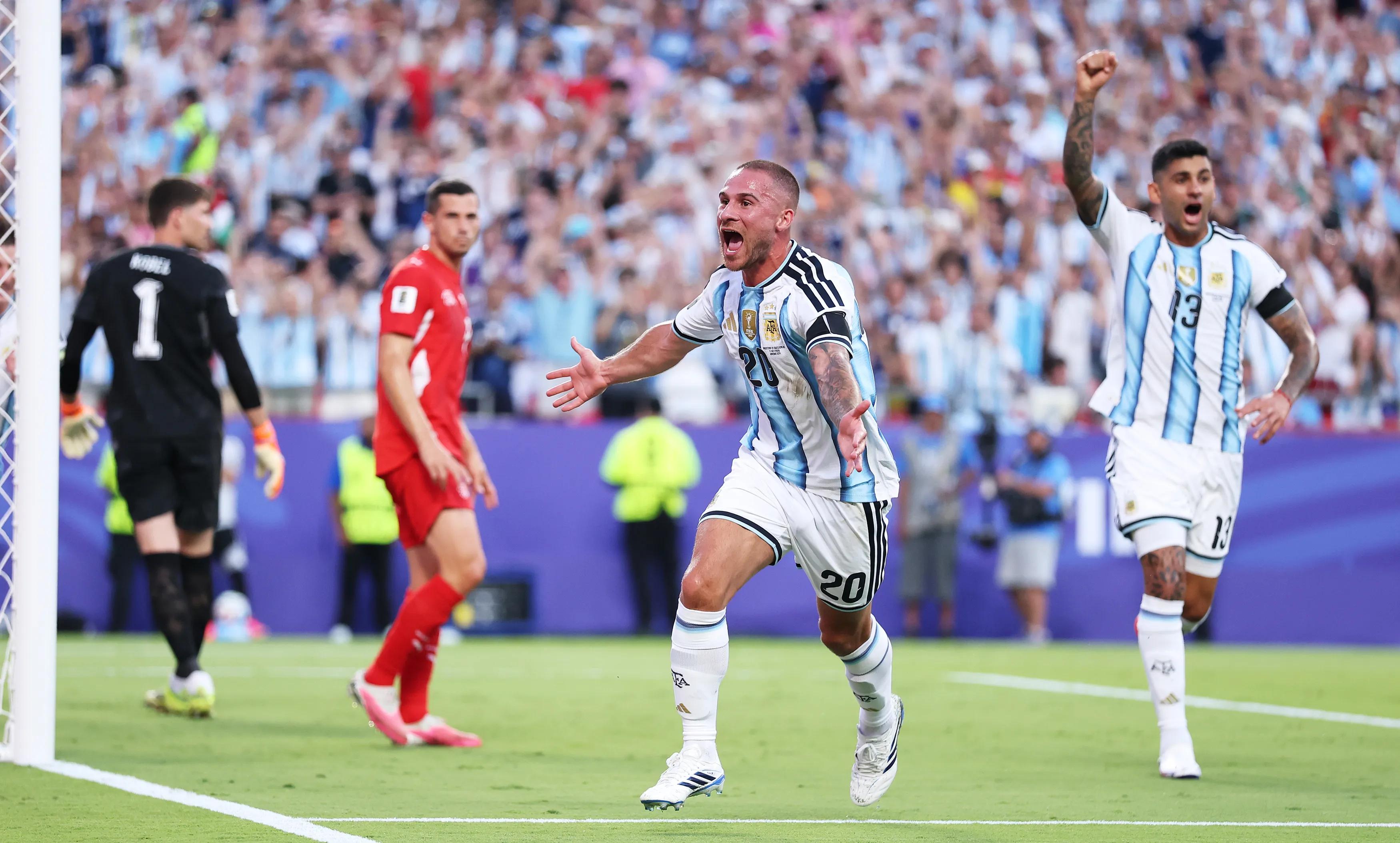
Messi's goals arrive through different channels — channels that only he seems able to perceive, let alone navigate. Where Mbappe overwhelms defences with physical force, Messi dissolves them with positional intelligence. His goals are exercises in economy: the minimum number of touches required to convert possibility into reality, the minimum amount of movement required to create the maximum amount of space. Against Serbia, his finish was a masterclass in controlled redirection — receiving the ball at an angle that seemed unpromising, shifting it with a single touch into a position that suddenly looked like the only logical place to shoot, and then guiding the ball beyond the goalkeeper with a placement so subtle that the net seemed to welcome the ball rather than receive it. Against Switzerland, his goal was almost architectural in its construction, each element — the run, the touch, the finish — supporting the others like load-bearing walls in a cathedral of improvisation.
The Golden Boot race now enters its most critical phase with both players still active in the tournament, which means the semi-finals will function as both team contests and individual auditions. Every goal Mbappe scores against Spain brings France closer to the final and brings the Golden Boot closer to Paris. Every goal Messi scores against England achieves the same double purpose for Argentina. The race has evolved from a parallel pursuit into a direct competition mediated by the structure of the knockout rounds, and the next seven days will determine whether the Golden Boot is decided in the semi-finals or whether the suspense extends to the final itself. The possibility of a World Cup final in which the Golden Boot is still undecided — in which Mbappe and Messi take the field not merely as representatives of their nations but as competitors for an individual prize of immense prestige — is a prospect so compelling that it borders on the fictional. Yet the numbers do not lie: eight goals each, and the next goal could change everything.