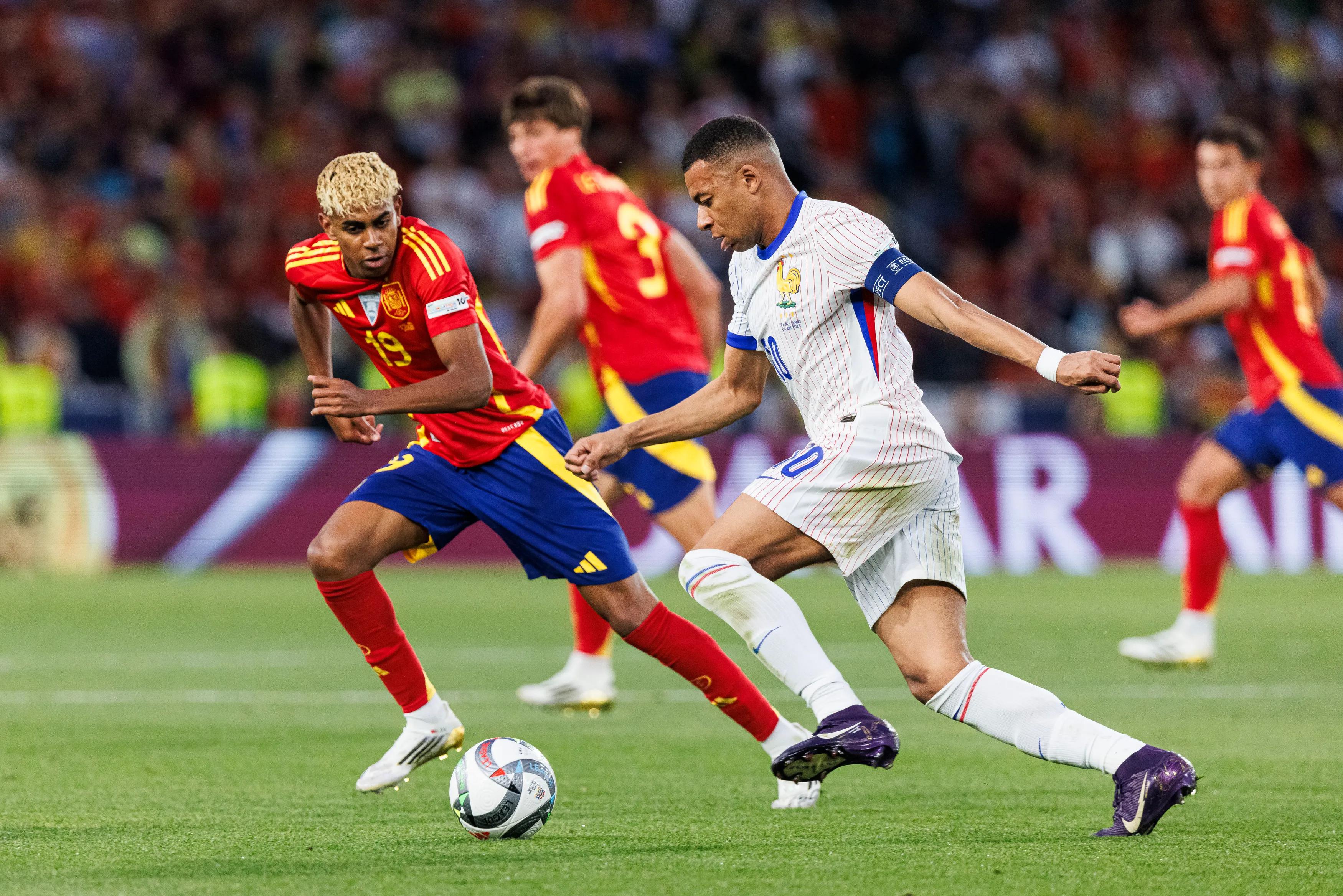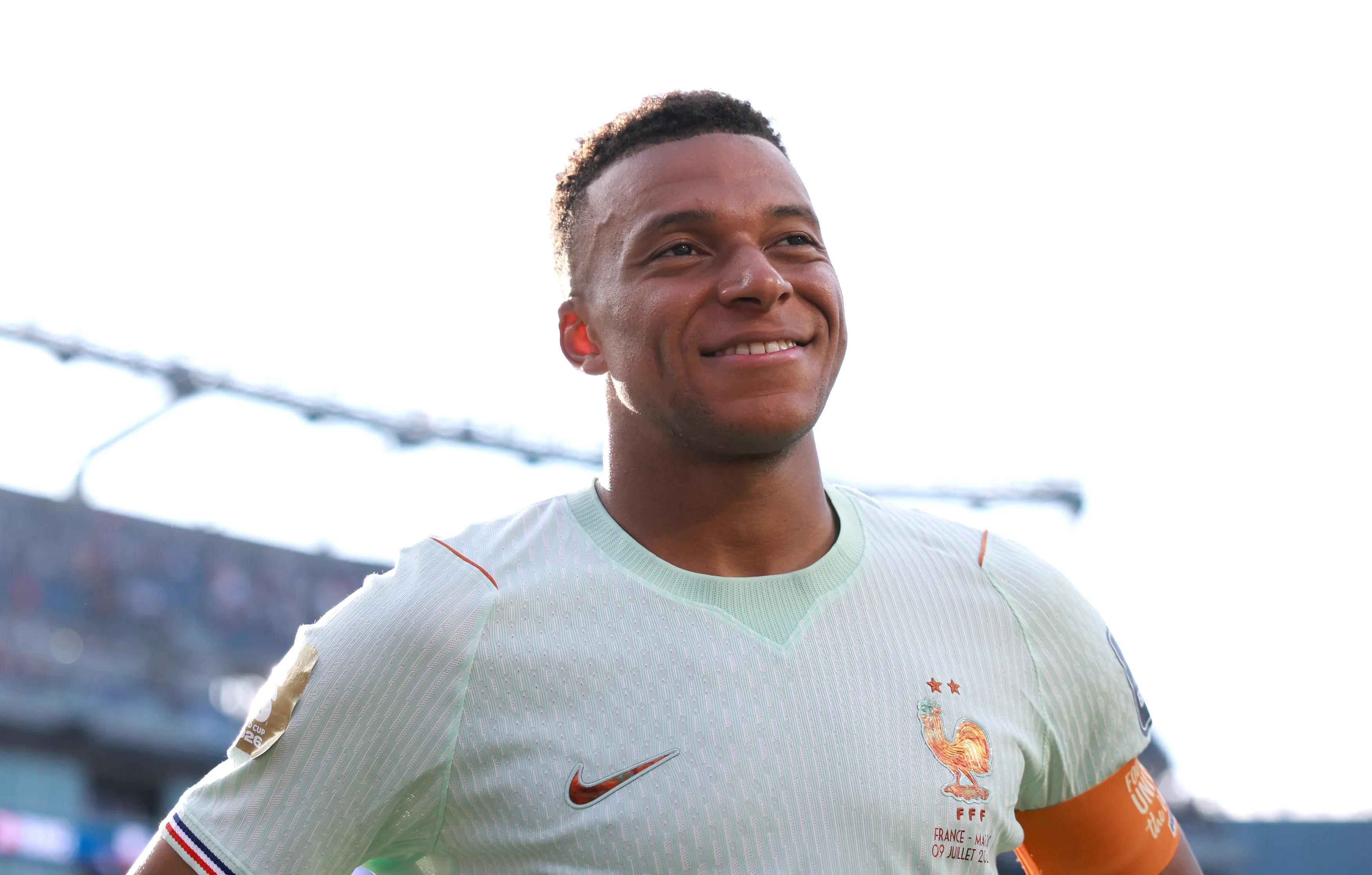
Two players, eight goals each, one prize: the Golden Boot race between Kylian Mbappe and Lionel Messi has become the most intoxicating subplot of the 2026 World Cup. Mbappe's strikes carry the unmistakable signature of velocity: the shot that moves too quickly for the goalkeeper's hands, the run that covers ground too rapidly for the defender's recovery, the movement that creates space where none existed a fraction of a second earlier. Consider Against Morocco in the last sixteen, his strike was the moment that turned a contest into a procession — the one-on-one finish dispatched with the cold efficiency of an assassin, the ball placed beyond the goalkeeper before he had completed his dive.
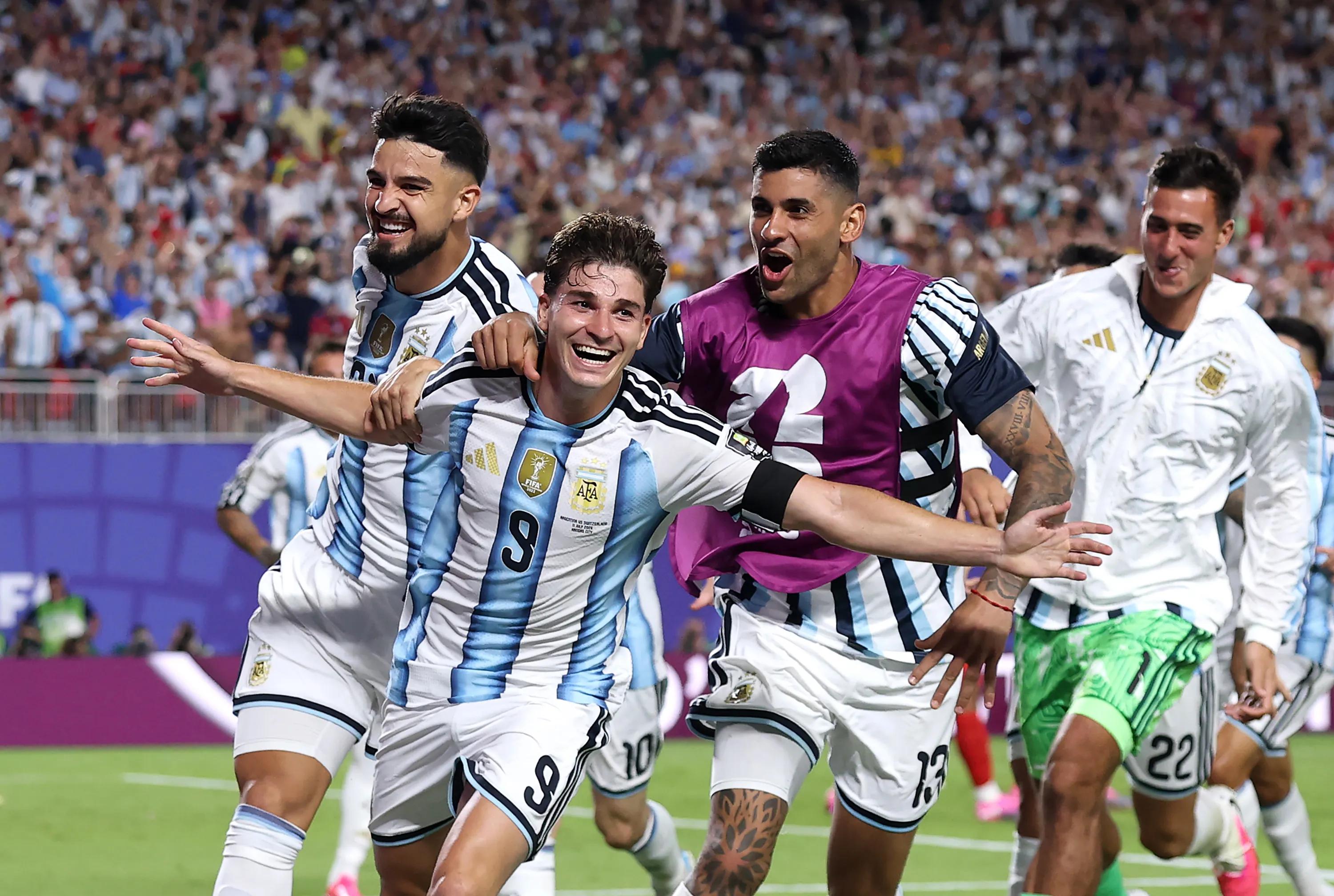
Messi's goals are constructed from a different material — not the raw energy of Mbappe's strikes but the refined intelligence of a player who sees the game in dimensions that his contemporaries cannot access. Consider Against the run of play, his finish was the kind of goal that transforms matches and redefines tournaments — the delicately clipped finish over the advancing goalkeeper that seemed to hang in the air for an eternity before dropping beneath the crossbar with the gentleness of a leaf on still water.
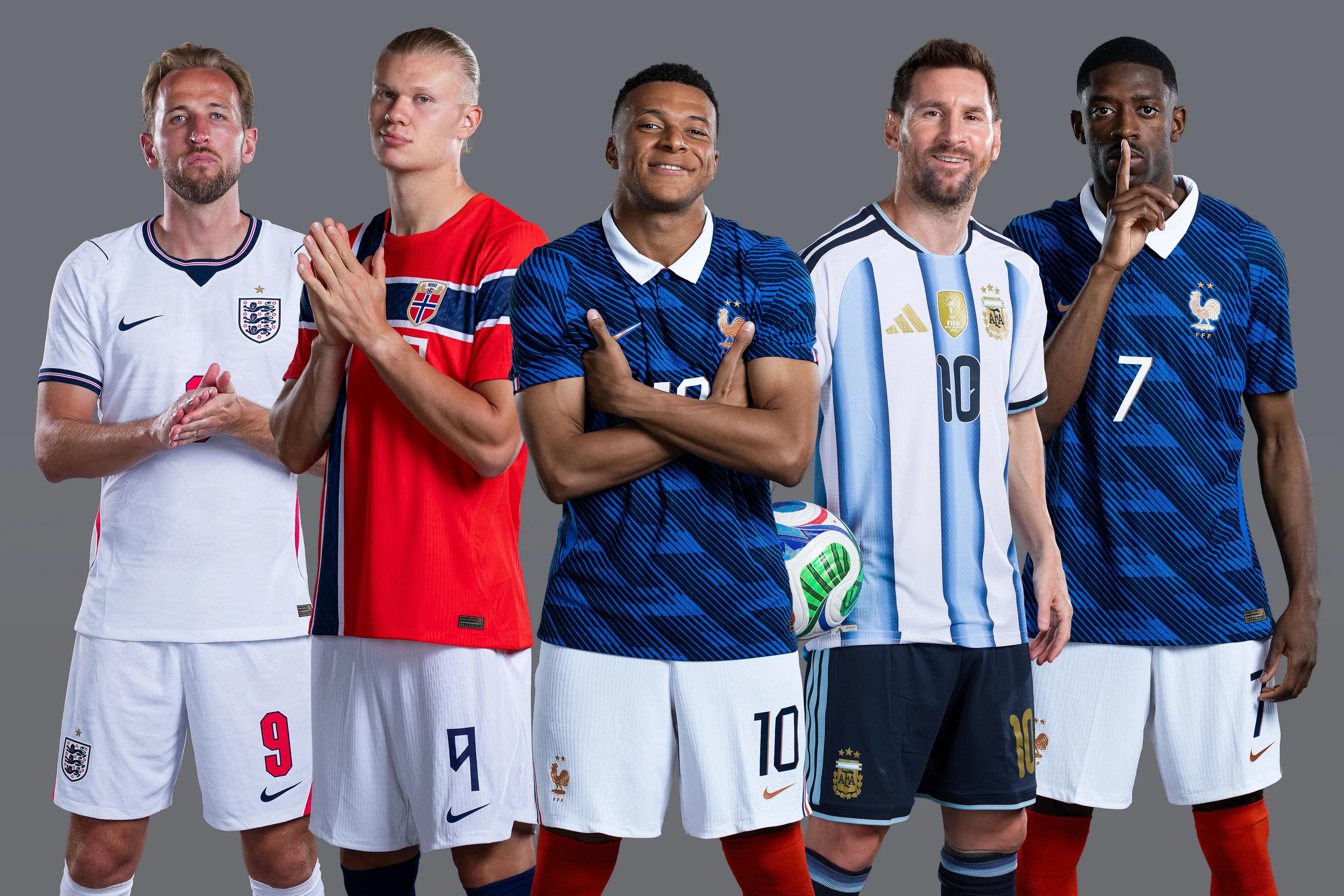
What makes this Golden Boot race unprecedented is not the quality of the players involved — the World Cup has always attracted the finest forwards — but the manner in which individual ambition and team success have become inseparable. Mbappe cannot win the Golden Boot without France continuing in the tournament, and Messi cannot claim the prize without Argentina progressing. The individual race and the team race are not merely parallel; they are causally intertwined in a way that transforms every semi-final goal into a double-edged sword — advancing one cause while potentially eliminating the other. The tension between these two objectives will shape the semi-finals in ways that no tactical briefing can anticipate and no pre-match analysis can fully capture.