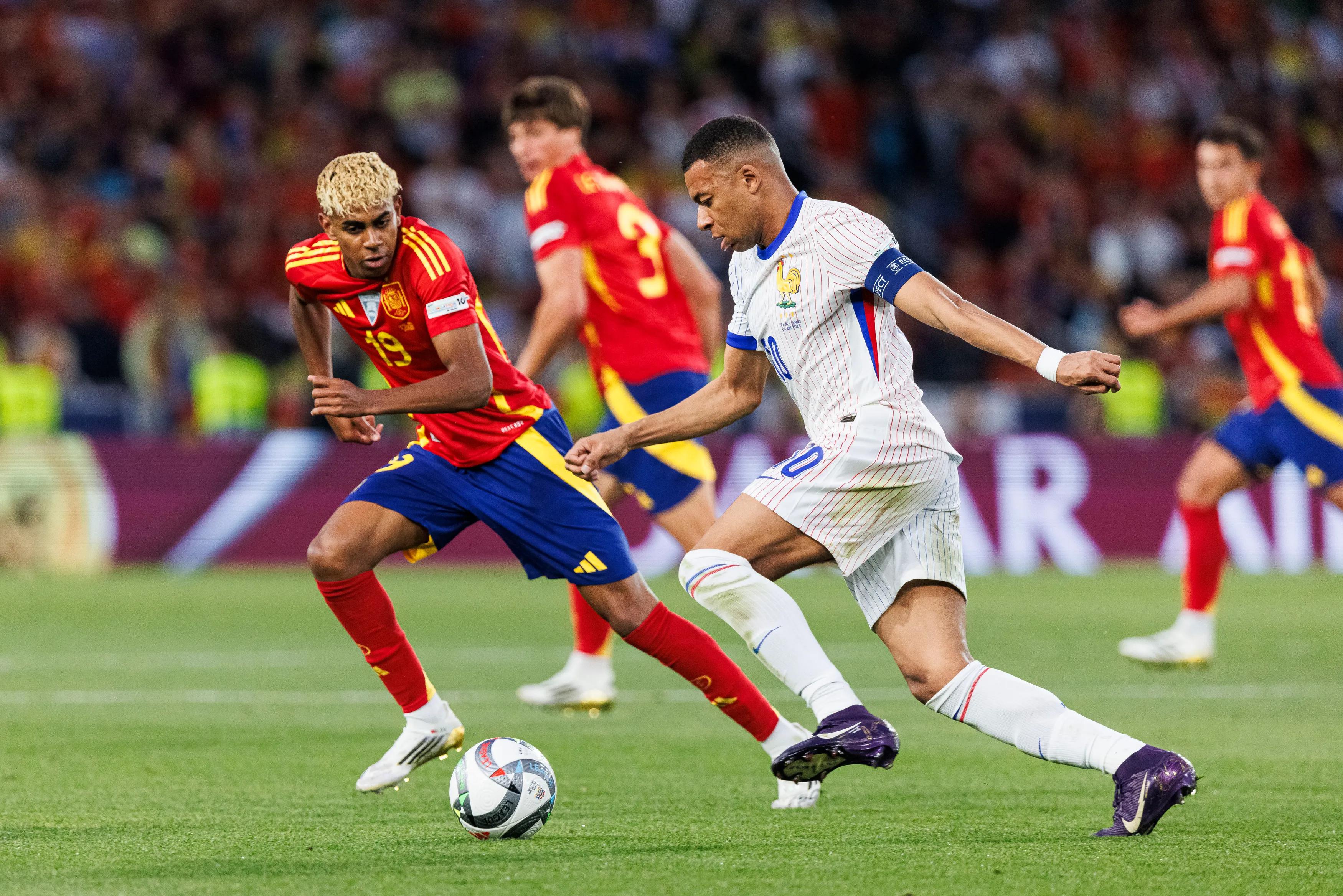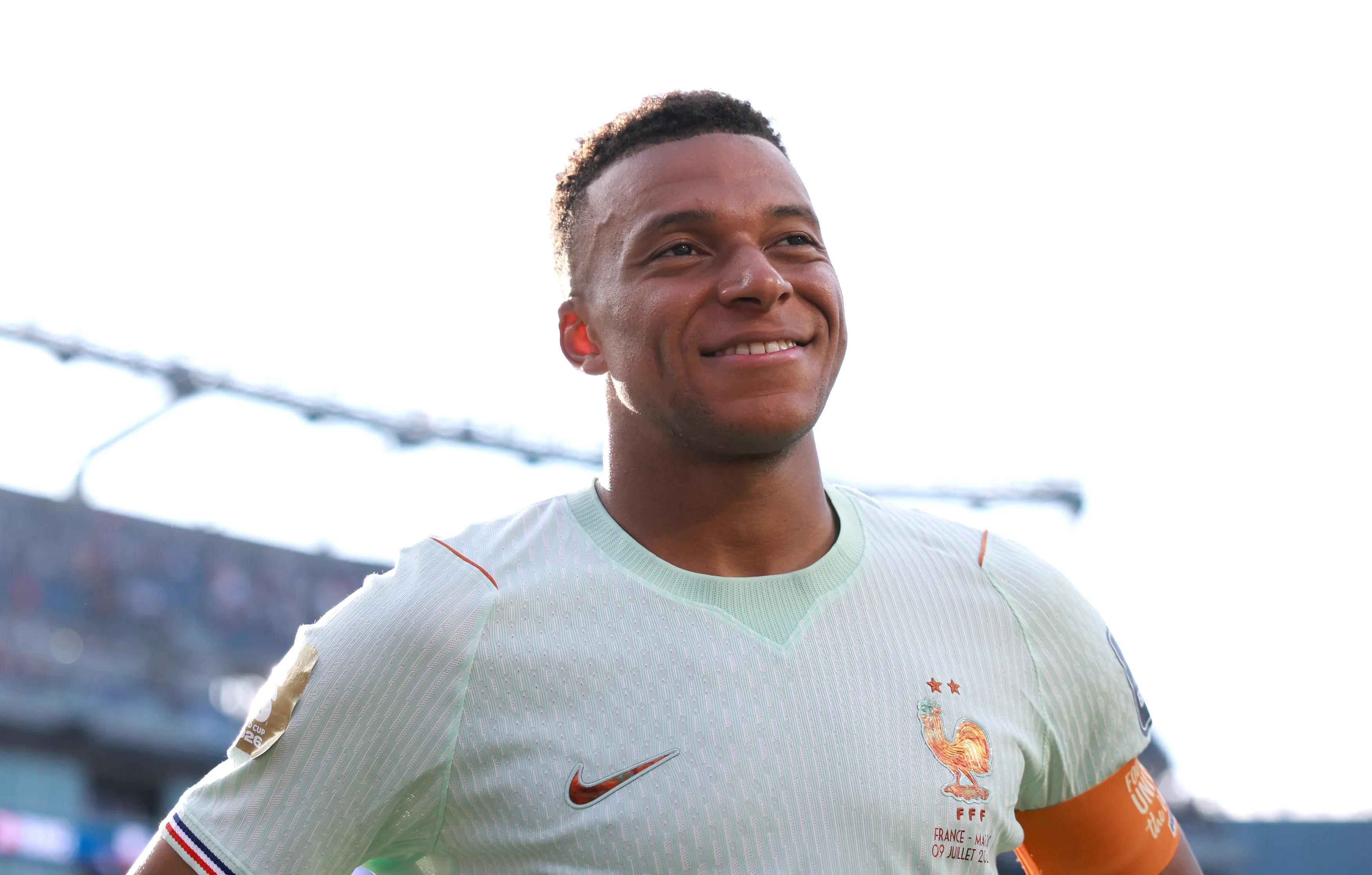
The statistical parity between Mbappe and Messi — eight goals each — is the kind of narrative coincidence that no writer would dare invent and no tournament could plan. Yet here it stands, the defining subplot of the 2026 World Cup, and its resolution will shape the tournament's legacy. Mbappe's eight goals have been acts of physical defiance against the limitations of defensive organisation — pace married to precision, power married to placement, velocity married to vision. In the group-stage decider, his goal was the moment that separated qualification from uncertainty: the venomous free-kick that bent around the wall and dipped under the crossbar with a trajectory that seemed to mock the concept of a defensive wall.
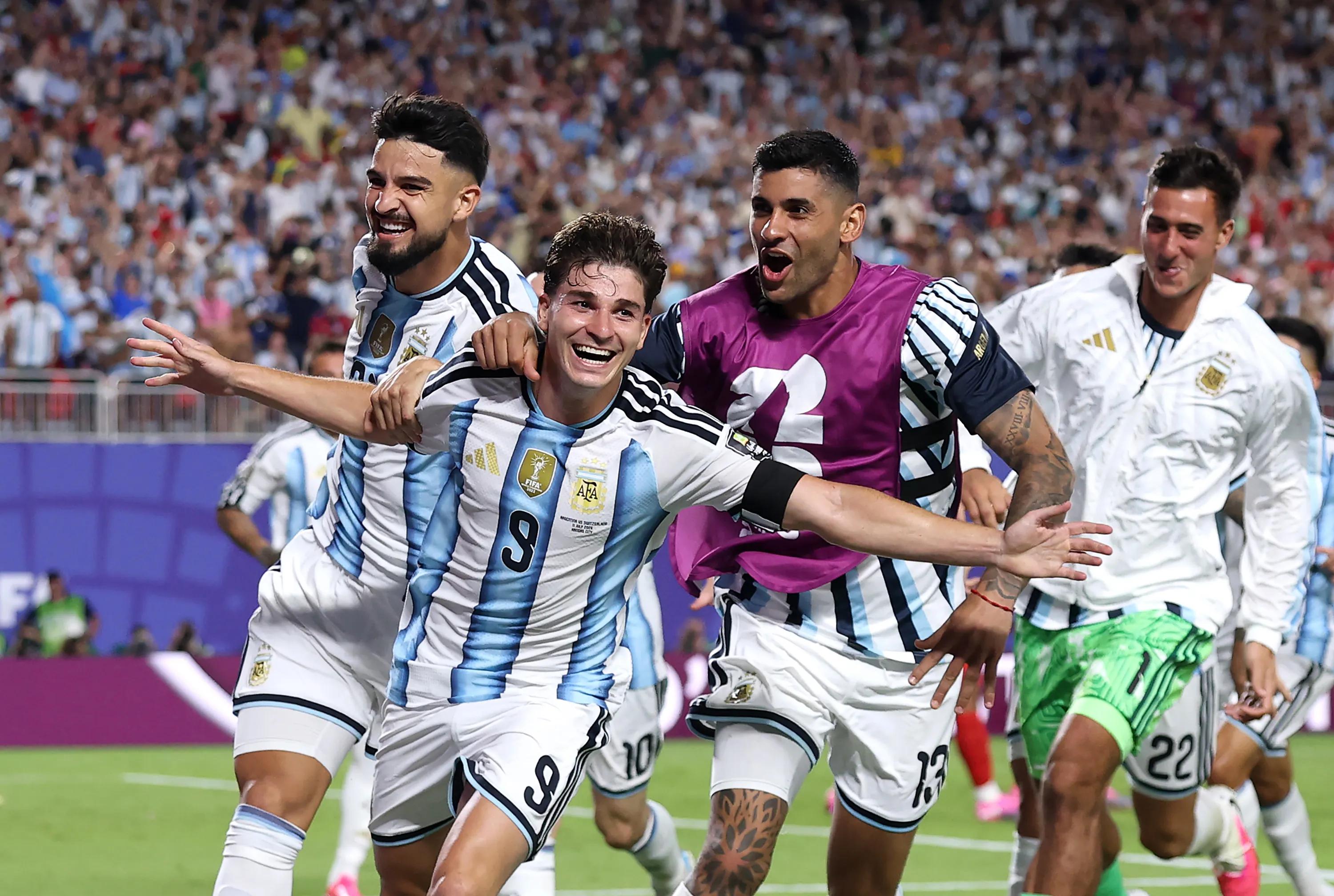
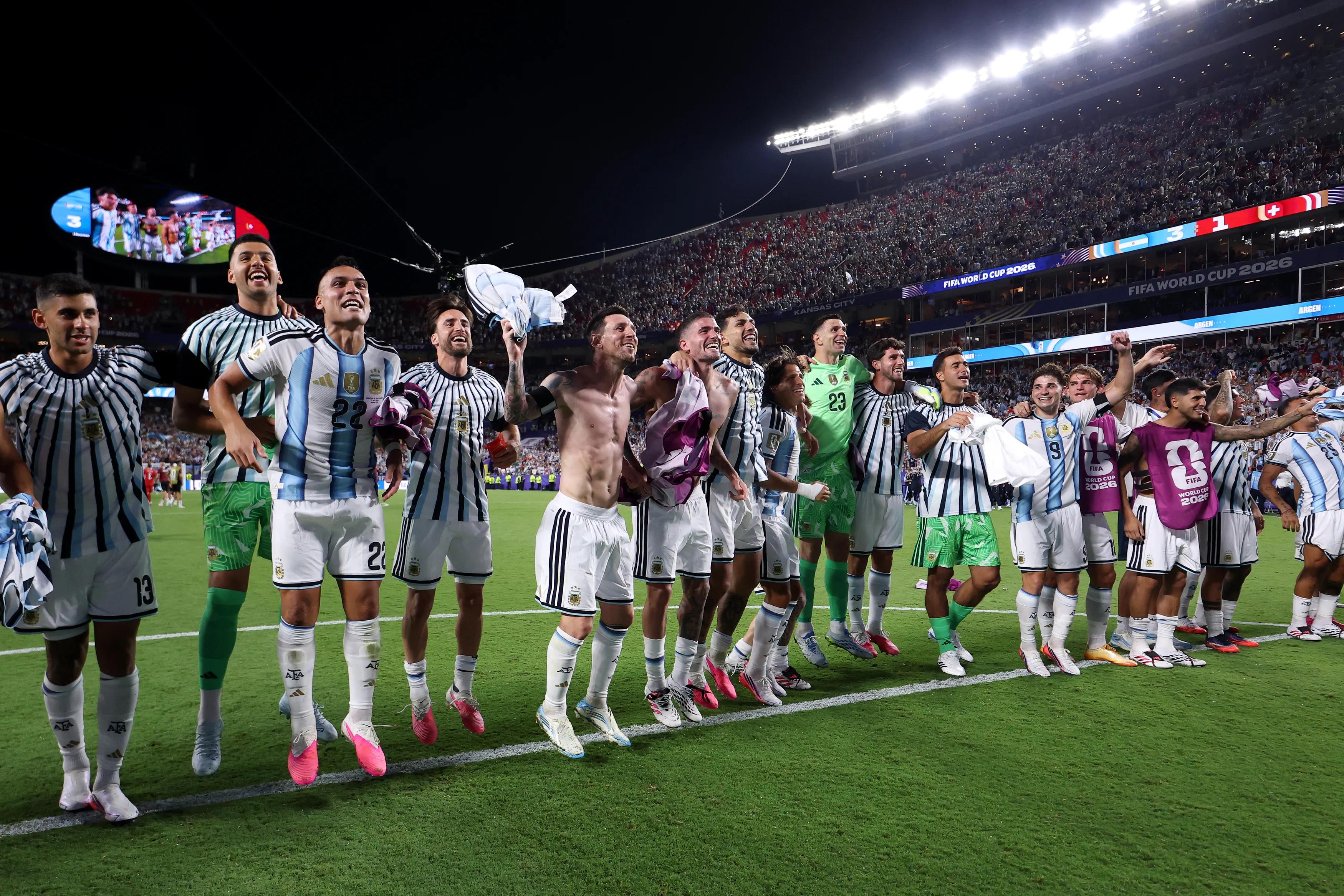
Messi's eight goals are exercises in what might be called the architecture of finishing: each one constructed from a sequence of micro-decisions that collectively reduce the goalkeeper's options to zero. In the quarter-final against Switzerland, his finish was the goal that broke resistance and confirmed progression: the penalty converted with such precise placement that the goalkeeper's dive became a choreographed surrender rather than a genuine attempt at salvation.
The possibility that the Golden Boot could be decided in the World Cup final — that the tournament's two premier narratives could reach their climax in the same ninety minutes — is a scenario so dramatic that no scriptwriter would dare propose it. Yet here we are, with both players still active and both teams still competing, and the mathematics are tantalising: if Mbappe scores in the semi-final and France advance, and Messi scores in the semi-final and Argentina advance, the Golden Boot will remain undecided as the two men walk onto the pitch for the final. The individual and the collective would merge into a single, overwhelming narrative of pursuit and ambition. The world would be watching not merely a football match but a coronation — and the only question would be who wears the crown.